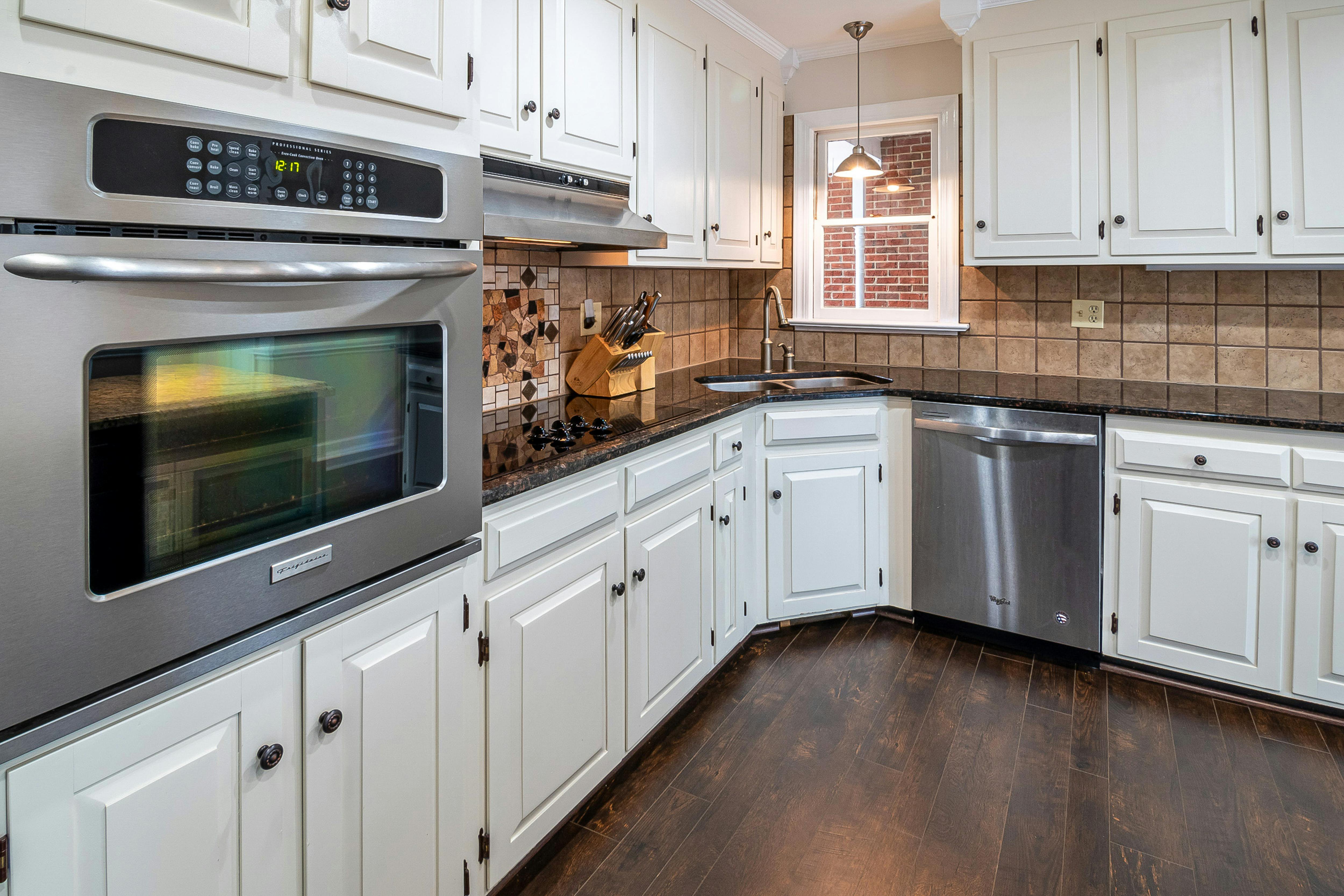
Kitchen Design
Custom Kitchen Cabinets vs. Stock: Guide for Idaho Falls Homeowners
Choosing between custom cabinets and big‑box stock options can feel overwhelming. Learn how build quality, fit, wood species and the local process stack up for Southeast Idaho remodels.
Planning a kitchen remodel in Idaho Falls means you’ll be weighing a lot of choices. The cabinet decision is often the most visible and the most costly, yet the differences between truly custom cabinets, semi‑custom options, and the stock units you see at big‑box stores are not always clear. This guide walks you through the real differences in build quality, fit and lifespan, shows what working with a local cabinet maker looks like from the first conversation to the final install, highlights wood species that weather our dry winters and warm summers, and gives you five concrete questions to ask before you sign any contract.
Understanding the Real Differences
When you compare a custom cabinet to a stock or semi‑custom unit, three factors stand out: material, construction method, and finish.
Material and Core Construction
Stock cabinets typically use a particleboard or low‑density fiberboard (MDF) core with a thin veneer face. Semi‑custom units may upgrade to a plywood core, but the doors are often still veneered and the drawer boxes are assembled with less robust joinery. Custom cabinets start with solid hardwood or high‑grade plywood cores that are built to the exact dimensions of your kitchen. The extra thickness gives you a stronger frame that resists warping over time.
Joinery and Hardware
In a custom build, cabinet makers use dovetail or mortise‑and‑tenon joints for drawer boxes, and they reinforce face frames with solid wood glue and screws. Stock cabinets usually rely on stapled joints or simple butt joints, which can loosen after a few years of use. Likewise, custom hardware is often selected for durability and ease of service, while stock hardware may be the cheapest option that still fits the opening.
Finish and Detailing
A custom cabinet receives a hand‑applied finish that can be sanded and refinished later. Stock cabinets are typically spray‑finished with a thin film that does not tolerate sanding. This means a custom cabinet can look fresh for decades, while a stock unit may show wear after five to seven years.
What Working With a Local Cabinet Maker Looks Like
Choosing a local shop like Oaken Cupboard Co. brings a hands‑on process that big‑box retailers cannot match. Here is a step‑by‑step view of the journey from consultation to installed cabinets.
1. Initial Consultation (Free)
We start with a sit‑down at your home in Idaho Falls or a virtual walk‑through. You share your layout, style preferences, budget range, and any special storage needs. We take measurements, photos, and discuss wood species that perform well in our climate.
2. Design Development
Our designer creates a 3‑D model that shows cabinet dimensions, hardware choices, and layout flow. You receive a digital set of plans that you can walk through on a tablet. This stage includes a second meeting to refine door styles, drawer pulls, and countertop edge profiles.
3. Material Selection and Quote
Based on the design, we present a detailed quote that breaks down material cost, labor, hardware, and finish. You choose the wood species, finish type, and any custom molding. Because we build locally, lead times are transparent and often shorter than the six‑to‑nine‑month wait for stock cabinets shipped from across the country.
4. Production
Our craftsmen cut, join, and finish each piece in our shop in Idaho Falls. You can visit the workshop to see the work in progress, ask about the grain pattern, or watch the sanding process. This level of visibility is rarely possible with a mass‑produced line.
5. Installation
When the cabinets arrive, our installation crew fits them to the exact layout we designed. They make any on‑site adjustments, ensure cabinets are level, and install hardware. After the final walk‑through, you receive care instructions tailored to the wood and finish we used.
Choosing Wood Species for Idaho’s Climate
Eastern Idaho’s dry winters and warm summers create a climate that can stress wood that is too soft or has high moisture content. Below are the species that hold up best in this environment.
- Maple (Hard) – Dense, stable, and resists warping. It takes paint or clear finish well, making it a versatile choice for both traditional and modern kitchens.
- White Oak – Naturally resistant to moisture changes, and its grain takes stain evenly. Oak also offers a classic look that ages gracefully.
- Hickory – Very hard and durable, hickory’s bold grain works well in rustic or farmhouse styles. It handles temperature swings without cracking.
- Cherry – While slightly softer than maple, cherry develops a rich patina over time. It is a good option if you prefer a warm, reddish tone and are willing to keep an eye on humidity levels.
- Walnut – Offers a deep, elegant color and good stability when properly sealed. Walnut is ideal for high‑end designs but may be more expensive.
Regardless of species, proper sealing and a finish with UV protection help the wood withstand sun exposure through kitchen windows during summer. In winter, the finish reduces moisture loss that can lead to small cracks.
Key Questions to Ask Before You Sign
When you meet with any cabinet shop, use these questions to separate a true custom experience from a stock‑delivery operation.
- What core material do you use for the cabinet boxes and doors? (Look for solid hardwood or high‑grade plywood.)
- Can you describe the joinery method for drawers and face frames? (Dovetail or mortise‑and‑tenon indicates stronger construction.)
- How is the finish applied, and can it be refinished later? (Hand‑applied finishes that can be sanded are a good sign.)
- What is your typical lead time from design approval to installation, and how do you handle delays? (Local shops should give realistic timelines.)
- Do you offer a written warranty that covers both material defects and finish wear? (A clear warranty protects your investment.)
Answers that reference specific materials, processes, and timelines show a shop that takes craftsmanship seriously.
Ready to see how custom cabinets can fit your Idaho Falls kitchen? Get in touch with us today, and we’ll schedule a free design consultation that matches your timeline and style. Contact Oaken Cupboard Co. to start the conversation.
Have a project in mind?
Tell us what you're planning and we'll talk through it with you.